


HGH & Testosterone Cycle
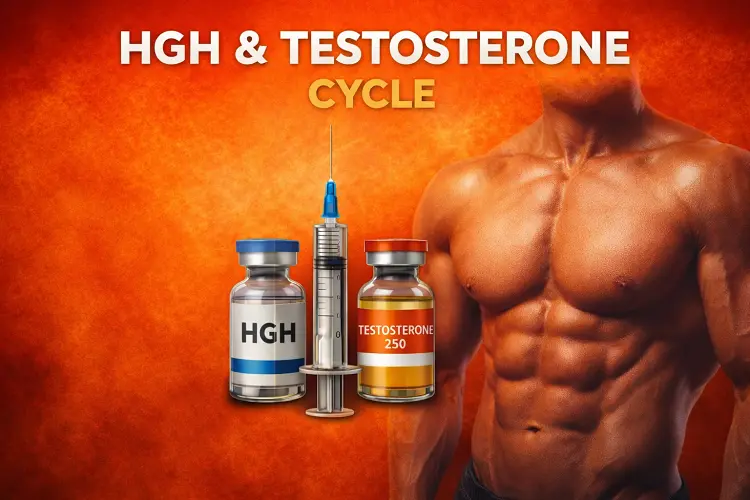 HGH & Testosterone Cycle: An Educational Overview for Bodybuilders and Athletes
In the world of advanced bodybuilding and competitive athletics, Human Growth Hormone (HGH) and Testosterone are two of the most discussed performance-enhancing compounds. When referenced together as an HGH & Testosterone cycle, the discussion usually centers on how these hormones interact biologically to influence muscle growth, recovery, body composition, and overall athletic performance.
Understanding how HGH and testosterone function—both individually and synergistically - is essential for athletes who want to make informed, responsible decisions.
Understanding the Role of Testosterone
Testosterone is the primary male androgen hormone and plays a foundational role in:
-
Muscle protein synthesis
-
Strength development
-
Red blood cell production
-
Libido and mood regulation
-
Bone density
For bodybuilders, testosterone is often viewed as the base hormone, as it directly supports lean muscle growth and helps maintain anabolic balance during intense training phases. Adequate testosterone levels are also critical for recovery, motivation, and long-term performance sustainability.
Understanding the Role of HGH
Human Growth Hormone (HGH) is produced by the pituitary gland and works differently from anabolic-androgenic hormones. Its primary functions include:
-
Stimulating tissue repair and regeneration
-
Increasing collagen synthesis
-
Supporting fat metabolism
-
Enhancing sleep quality and recovery
-
Promoting overall cellular health
Unlike testosterone, HGH does not directly build muscle tissue. Instead, it creates an environment where recovery, fat loss, and long-term physique improvements are optimized, making it especially appealing for athletes focused on conditioning and longevity.
Why HGH and Testosterone Are Often Combined
The interest in an HGH & Testosterone cycle comes from the complementary nature of these hormones:
-
Testosterone drives muscle growth and strength
-
HGH enhances recovery, fat loss, and tissue repair
-
Together, they support lean mass preservation while improving overall physique quality
From a physiological perspective, testosterone contributes to muscle fiber hypertrophy, while HGH supports connective tissue strength and metabolic efficiency. This combination is often discussed in the context of off-season improvement, recomp phases, or long-term athletic development.
Potential Benefits Discussed by Athletes
When discussed in bodybuilding and athletic communities, HGH and testosterone together are commonly associated with:
-
Improved lean muscle retention
-
Enhanced training recovery
-
Better sleep and joint comfort
-
Increased fat metabolism
-
More balanced, sustainable performance outcomes compared to single-compound approaches
It's important to note that individual results vary widely based on genetics, training quality, nutrition, sleep, and overall lifestyle.
Health, Safety, and Responsibility
Both HGH and testosterone influence the endocrine system and should never be approached casually. Key considerations include:
-
Hormonal suppression risks
-
Cardiovascular health
-
Cholesterol and blood pressure changes
-
Long-term endocrine balance
-
Need for medical monitoring
Improper or uninformed use can lead to significant health consequences. Education, medical supervision, and respect for recovery are critical components of athlete longevity.
Legal and Ethical Considerations
The legal status of HGH and testosterone varies by country and intended use. In many regions, they are prescription-only medications and prohibited in tested sports. Athletes should always consider:
-
Local laws and regulations
-
Anti-doping rules
-
Long-term health over short-term performance
Conclusion
An HGH & Testosterone cycle is often discussed among experienced bodybuilders and athletes due to the distinct yet complementary roles these hormones play in muscle development, recovery, and body composition. Testosterone provides the anabolic foundation, while HGH supports recovery, fat metabolism, and structural integrity.
For athletes, the most important takeaway is that education, responsibility, and health awareness must always come first. Sustainable progress is built not only through training intensity but through informed decisions that protect long-term performance and well-being.
Articles
Equipoise, also known as Boldenone Undecylenate, is a popular anabolic steroid used in bodybuilding, strength and endurance sports as well as medical applications. This steroid has been around for some time, originally developed for therapeutic use back in 1961. Equipoise is an anabolic steroid that belongs to the family of androgens. It binds to androgen receptors and promotes anabolism and increases protein synthesis in the muscles.

Andarine, or S-4, is an orally active selective androgen receptor modulator (SARM) that is widely used by those seeking muscle growth and fat loss in bodybuilding. It is thought to provide the same benefits as anabolic steroids without the harmful side effects. It has been shown to be effective in increasing muscle mass, improving protein synthesis and fat mobilization, reducing body fat, and increasing bone density.
Triptorelin, a potent synthetic decapeptide, is a key player in the field of medicine, particularly in the treatment of hormone-dependent conditions. Its 2mg formulation stands out as a critical dose in the management of various diseases, including prostate cancer, endometriosis, and precocious puberty. This essay delves into understanding the multifaceted aspects of Triptorelin 2mg, exploring its mechanisms, applications, and...
Customers Feedbacks
Please leave your feedback on products or service below.
Thank you beforehand.